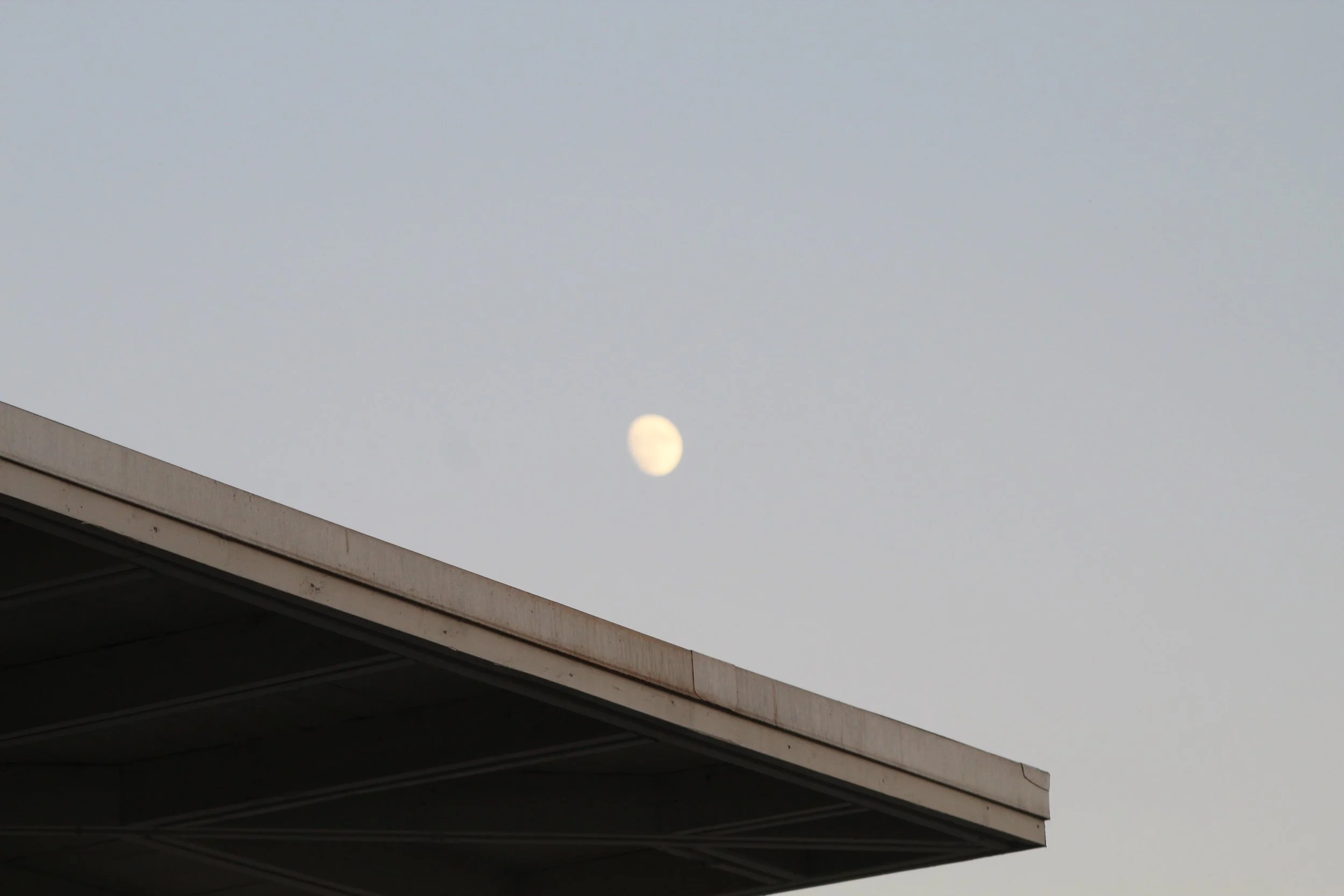
A Glimpse into the History of Chase Knolls
Sunny Sherman Oaks, a beautiful suburb of the San Fernando Valley. Like many of its inhabitants, I live in an apartment home with my partner; a large one, in fact. We live in a community called Chase Knolls. Every so often, I have the simple pleasure of taking a stroll through my little community.
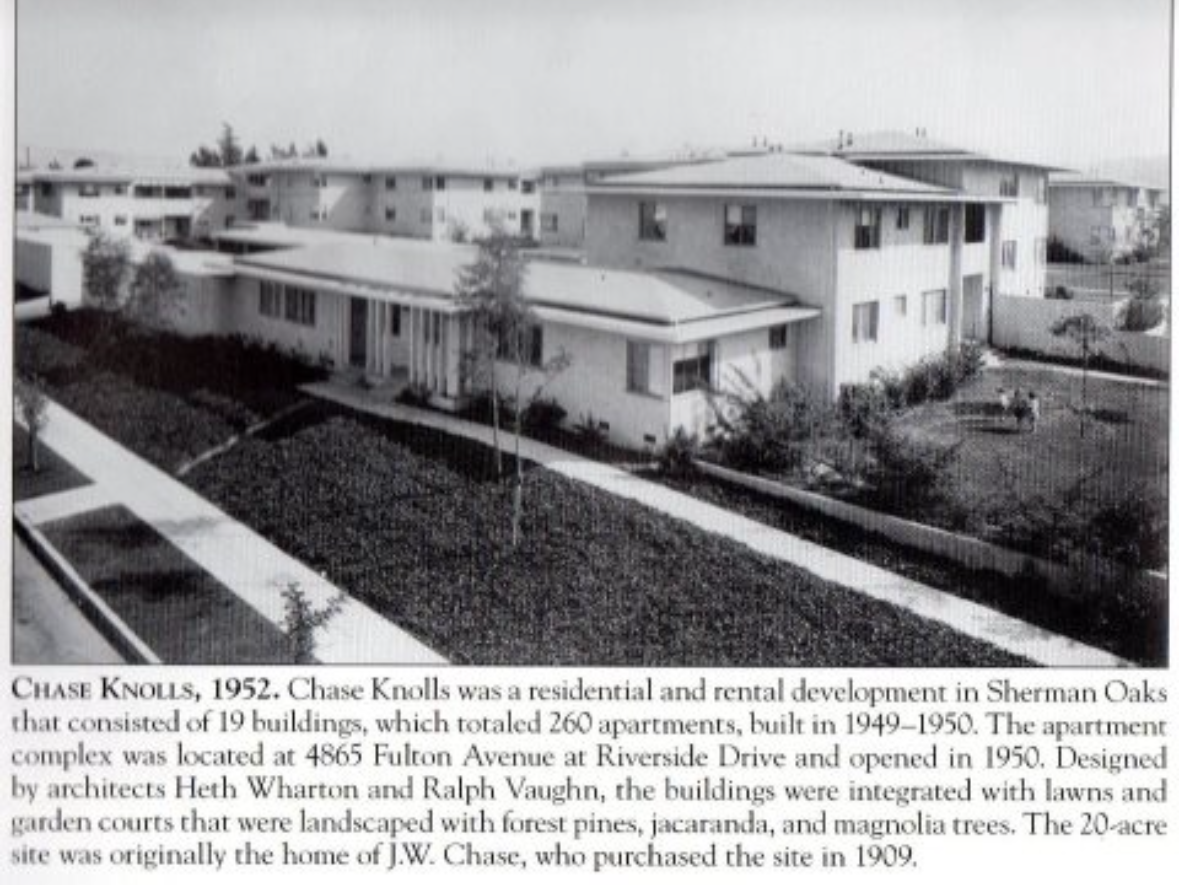
Developed in 1948, by architects Heth Wharton and Ralph Vaughn, Chase Knolls was envisioned as a park-like residential enclave at a time when the San Fernando Valley was rapidly transforming from agricultural land into one of Los Angeles’ fastest-growing suburban regions. Designed in the postwar era, the community reflected emerging ideals of modern apartment living, low-rise buildings arranged around landscaped courtyards, generous green space, and an emphasis on light, air, and walkability rather than density alone.
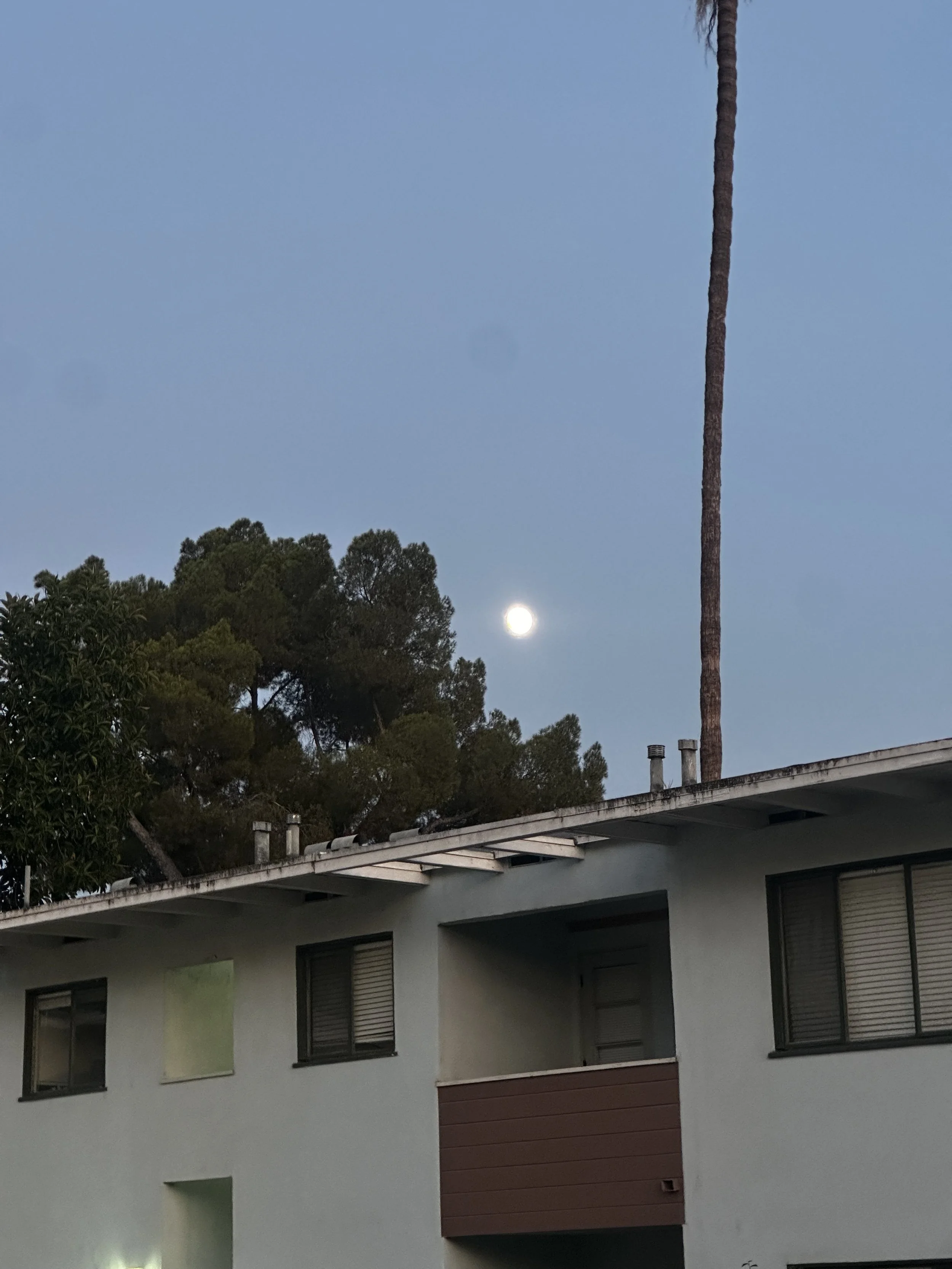
Architecturally, Chase Knolls drew from Mid-Century Modern and garden-apartment principles, favoring horizontal massing, clean lines, and a strong indoor-outdoor relationship. Its scale, eventually growing to more than 400 apartments across an entire city block, was ambitious for its time, positioning the complex as a self-contained neighborhood rather than a conventional apartment building.
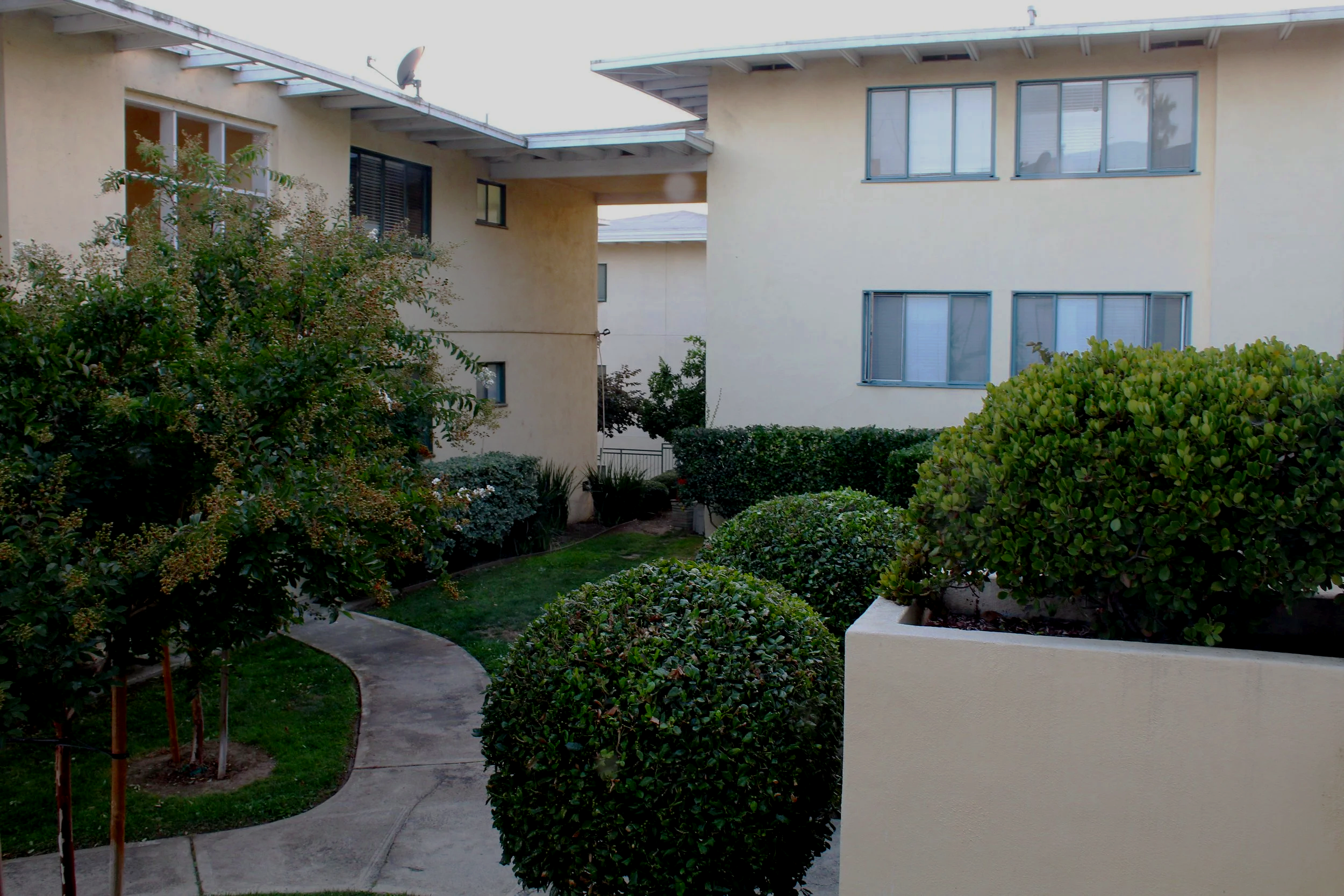
Over the decades, Chase Knolls has evolved alongside Sherman Oaks itself, transitioning from a postwar housing solution into a historically significant residential community. Something that I find most interesting about Chase Knolls apartments, is that, although times have changed, the needs of society have stayed constant. Chase Knolls Garden Apartments serve as an important reminder that thoughtful design with emphasis on the human experience preserves all design fads.